Gëzim Llojdia
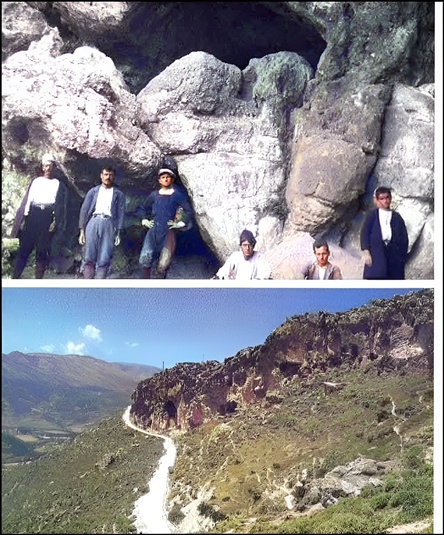
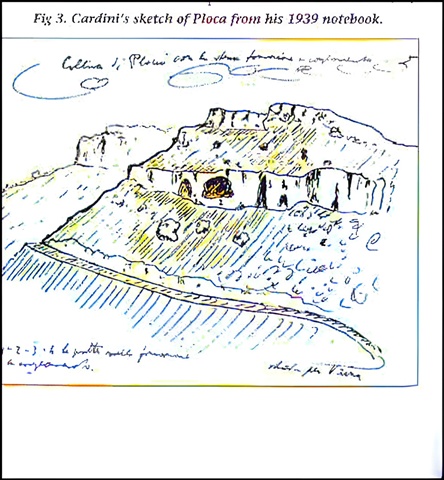
…Në thellësitë e gurit dhe heshtjes së maleve, aty ku koha duket se ka ndalur frymën, shpellat e Velçës ruajnë kujtesën e një bote të lashtë. Çdo çarje në shkëmb, çdo gjurmë mbi gur, është një dëshmi e heshtur e jetëve që kanë kaluar aty, shumë kohë përpara nesh. Në këtë peizazh të egër e të bukur njëkohësisht, historia nuk shkruhet me fjalë, por me dritëhije, me mbetje dhe me heshtje. Ishte pikërisht kjo heshtje që tërhoqi vëmendjen e studiuesve si Luigi Cardini, i cili kërkoi të zbulojë të fshehtat që Velça kishte ruajtur ndër shekuj.
1.
Në nëntor të vitit 1966, kur përmbytjet shkatërruese goditën rëndë qytetin e Firences, Luigi Cardini u përpoq të shpëtonte shtëpinë e tij, e cila në fakt ishte një “shtëpi-anije”, pra një anije ku ai jetonte.
Si pasojë e motit të keq, shumë prej sendeve të tij të çmuara dhe librave u humbën. Megjithatë, në vitin 1999, një pjesë e vogël e koleksionit të tij u gjet e ruajtur në arkivat e Istituto Italiano di Paleontologia Umana në Romë. Ky koleksion përfshinte fletore me të dhëna për terrenin shqiptar, të përpiluara nga viti 1930, si dhe fotografi dhe harta me vlerë të veçantë (sipas raportit të projektit arkeologjik të vitit 2001).
Fletoret e Cardinit përbëjnë pjesën më të madhe të këtij fondi arkivor. Të dhënat janë të organizuara në mënyrë kronologjike brenda secilit libër, duke mbuluar kryesisht periudhën 1930-1939, ku shënimet e viteve të fundit paraqiten më të plota dhe më të detajuara.
Një pjesë e konsiderueshme e këtij materiali lidhet me shpellat e Velçës, pranë Vlorës. Sipas raportit të misionit arkeologjik të vitit 2001, Luigi Cardini i ka studiuar këto gjetje dhe dorëshkrime gjatë viteve 1936–1937.
I ashtuquajturi: “Arkivi Velça” përmban skica të detajuara të artefakteve të zbuluara gjatë gërmimeve në Shpellën nr. 2, si dhe përshkrime të sakta të stratigrafisë dhe shtresëzimeve. Materialet përfshijnë gjithashtu fotografi, vizatime teknike dhe analiza mbi mbetjet skeletore dhe dhëmbët. Një kontribut i rëndësishëm vjen edhe nga gjeologu Alberto Pelloux, i cili ka hartuar një raport të detajuar mbi shtatë vegla guri të zbuluara në këtë zonë.
Sipas të dhënave, kërkimet e vitit 2001, të realizuara nga arkeologë shqiptarë dhe të huaj, vijuan një mision të nisur që në vitet 1930-1937.
Gjatë këtij studimi, një numër fotografish të pashoqëruara me identifikim të qartë u njohën si imazhe të shpellave të Velçës, duke pasuruar më tej dokumentacionin e këtij arkivi të rëndësishëm.
2.
Shpellat e Velçës.Një ekzaminim i fletoreve të Luigi Cardinit tregon se në vitin 1930 ai eksploroi zonën përreth Butrinti, e cila shërbente si seli e misionit italian dhe qendër e gërmimeve kryesore. Qëllimi i kësaj faze fillestare ishte njohja nga afër me mjedisin lokal dhe vlerësimi i potencialit të tij arkeologjik. Gjatë këtij viti, Cardini bëri përpjekje të përqendruara për të mbledhur sa më shumë informacion mbi vendndodhjen e shpellave dhe zonave me interes arkeologjik, kryesisht në pjesën jugperëndimore të Shqipërisë.
Në vitin 1931, ai përmend vetëm një referencë të shkurtër kërkimore, që lidhet me një vizitë në Dragot dhe në shpellën e Vajzës.
Ndërkohë, aktivitetet e tij në vitet pasuese dokumentohen më gjerësisht përmes materialeve dhe gjurmimeve arkeologjike në disa site të paeksploruara të Shqipërisë së jugut.
Një moment i rëndësishëm është viti 1936, kur Cardini vizitoi për herë të parë në mënyrë të plotë zonën e Velçës, duke studiuar shpellat e saj dhe duke kryer një vlerësim paraprak të rreth dhjetë shpellave.
…Në vitin 1937 ai u rikthye në Velçë, ku ndërmori gërmime sistematike në të ashtuquajturën “shpella pjellore” (Shpella nr. 2), e identifikuar më vonë si “Shpella Maçi” nga sondazhi i vitit 2001.
Gërmimet e tij sollën zbulime të rëndësishme si: vegla guri (akse), mjete stralli dhe një tip i panjohur më parë i qeramikës eneolitike të pikturuar. Këto gjetje dëshmojnë për një kulturë materiale të zhvilluar dhe për rëndësinë arkeologjike të zonës.
Një pjesë e madhe e materialit arkivor lidhet pikërisht me shpellat e Velçës pranë Vlora. Studimet e viteve 1936-1937 përfshijnë skica të detajuara të artefakteve të zbuluara në Shpellën nr. 2, si dhe përshkrime të sakta të stratigrafisë dhe shtresëzimeve. Materialet arkivore përmbajnë gjithashtu fotografi, vizatime teknike dhe analiza mbi mbetjet skeletore dhe dhëmbët e një individi.
Një kontribut i rëndësishëm në interpretimin gjeologjik jepet nga Alberto Pelloux, i cili hartoi një raport të detajuar mbi shtatë vegla guri të zbuluara në këtë zonë.
Gjatë studimeve të vitit 2001, një numër fotografish të paidentifikuara më parë nga arkivi u njohën si imazhe që i përkisnin shpellave të Velçës, duke ndihmuar në plotësimin dhe saktësimin e dokumentacionit historik të këtij siti të rëndësishëm arkeologjik.
3.
Ekspedita e vitit 2001 në Velçë.
Në qershor të vitit 2001, arkeologët e projektit ndërmorën një vizitë në fshatin e largët malor të Velçës, në kërkim të disa prej shpellave më të pasura dhe më të dokumentuara më parë nga arkeologu italian Luigi Cardini.
Sipas përshkrimit të tyre, udhëtimi nisi nga Vlora, duke vijuar drejt lindjes përgjatë luginës së Lumi Shushica, e më pas drejt veriut, në zonën malore . Rruga ishte e vështirë dhe në shumë pjesë reduktohej në një shteg të papërpunuar, të hapur mbi shtratin e lumit.
Ekspedita përparoi ngadalë mes formacioneve mbresëlënëse gëlqerore dhe grykave me shkëmbinj ranorë, duke pasur përherë përballë pamjen e lumit Shushicë.
Peizazhi i egër dhe i thyer krijonte një mjedis të pasur me shpella dhe çarje shkëmbore, shumë prej të cilave mendohet se janë po ato që kishte vëzhguar Luigi Cardini gjatë kërkimeve të tij në vitin 1936.
Këto vëzhgime në terren ndihmuan në identifikimin dhe krahasimin e të dhënave historike me realitetin aktual, duke forcuar lidhjen midis dokumentacionit arkivor dhe gjurmëve fizike të trashëgimisë arkeologjike në Velçë.
“Arkivi Velça” dhe kërkimet në shpellat e saj nuk janë thjesht një grumbull dokumentesh apo zbulimesh arkeologjike, por një urë e gjallë që lidh të kaluarën me të tashmen.
Përmes punës së studiuesve si Luigi Cardini dhe ekspeditave të mëvonshme. Heshtja e gurëve ka nisur të flasë, duke na treguar histori të lashta që përndryshe do të mbeteshin të fshehura përgjithmonë.
Velça mbetet kështu jo vetëm një vend gjeografik, por një hapësirë kujtese, ku çdo gjurmë, çdo artefakt dhe çdo dokument është pjesë e një rrëfimi më të madh për origjinën dhe kulturën njerëzore. Dhe ndoshta, pikërisht në këtë heshtje të thellë, qëndron edhe bukuria më e madhe e saj: fakti që ende ka shumë për të zbuluar.
Autori ka drejtuar parqet arkeologjike të Amantia dhe Oriku.
What was the “Velça Archive”?
…In the depths of stone and the silence of the mountains, where time seems to have held its breath, the caves of Velça preserve the memory of an ancient world. Every crack in the rock, every mark upon the stone, is a silent testimony of the lives that once passed there, long before us. In this landscape, both wild and beautiful at the same time, history is not written with words, but with light and shadow, with remains and with silence. It was precisely this silence that drew the attention of researchers such as Luigi Cardini, who sought to uncover the secrets that Velça had preserved through the centuries.
1.
In November 1966, when devastating floods severely struck the city of Florence, Luigi Cardini tried to save his home, which in fact was a “house-boat,” a vessel where he lived.
As a result of the bad weather, many of his valuable belongings and books were lost. Nevertheless, in 1999, a small part of his collection was found preserved in the archives of the Istituto Italiano di Paleontologia Umana in Rome. This collection included notebooks with data on the Albanian terrain, compiled from 1930 onward, as well as photographs and maps of particular value (according to the report of the 2001 archaeological project).
Cardini’s notebooks constitute the largest part of this archival collection. The data are organized chronologically within each volume, mainly covering the period 1930–1939, with the notes from the later years being more complete and detailed.
A considerable part of this material is related to the caves of Velça, near Vlora. According to the report of the 2001 archaeological mission, Luigi Cardini studied these findings and manuscripts during the years 1936–1937.
The so-called “Velça Archive” contains detailed sketches of the artifacts discovered during excavations in Cave No. 2, as well as precise descriptions of stratigraphy and layering. The materials also include photographs, technical drawings, and analyses of skeletal remains and teeth. An important contribution also comes from the geologist Alberto Pelloux, who prepared a detailed report on seven stone tools discovered in this area.
According to the data, the research of 2001, carried out by Albanian and foreign archaeologists, continued a mission that had begun in the years 1930–1937.
During this study, a number of photographs previously lacking clear identification were recognized as images of the Velça caves, further enriching the documentation of this important archive.
2.
The caves of Velça. An examination of Luigi Cardini’s notebooks shows that in 1930 he explored the area around Butrint, which served as the headquarters of the Italian mission and the center of the main excavations. The aim of this initial phase was to become familiar with the local environment and to assess its archaeological potential. During that year, Cardini made focused efforts to gather as much information as possible about the location of caves and areas of archaeological interest, mainly in southwestern Albania.
In 1931, he mentions only a brief research reference related to a visit to Dragot and the Cave of Vajza.
Meanwhile, his activities in the following years are more extensively documented through materials and archaeological surveys in several unexplored sites of southern Albania.
An important moment is the year 1936, when Cardini visited the Velça area for the first time in a thorough manner, studying its caves and carrying out a preliminary assessment of about ten caves.
…In 1937, he returned to Velça, where he undertook systematic excavations in the so-called “fertile cave” (Cave No. 2), later identified as “Maci Cave” by the 2001 survey.
His excavations led to important discoveries such as stone tools (axes), flint implements, and a previously unknown type of painted Eneolithic pottery. These findings testify to a developed material culture and to the archaeological importance of the area.
A large part of the archival material is directly related to the caves of Velça near Vlora. The studies of 1936–1937 include detailed sketches of artifacts discovered in Cave No. 2, as well as precise descriptions of stratigraphy and layering. The archival materials also contain photographs, technical drawings, and analyses of skeletal remains and the teeth of an individual.
An important contribution to the geological interpretation is provided by Alberto Pelloux, who compiled a detailed report on seven stone tools discovered in this area.
During the studies of 2001, a number of previously unidentified photographs from the archive were recognized as images belonging to the Velça caves, helping to complete and refine the historical documentation of this important archaeological site.
3.
The 2001 expedition to Velça.
In June 2001, archaeologists of the project undertook a visit to the remote mountainous village of Velça, in search of some of the richest and previously documented caves studied by the Italian archaeologist Luigi Cardini.
According to their description, the journey began from Vlora, continuing eastward along the valley of the Shushica River, and then northward into the mountainous area. The road was difficult and in many parts reduced to an unpaved path carved along the riverbed.
The expedition advanced slowly among impressive limestone formations and sandstone gorges, always facing the view of the Shushica River.
The rugged and broken landscape created an environment rich in caves and rock fissures, many of which are believed to be the same ones observed by Luigi Cardini during his research in 1936.
These field observations helped identify and compare historical data with present reality, strengthening the connection between archival documentation and the physical traces of archaeological heritage in Velça.
The “Velça Archive” and the research in its caves are not simply a collection of documents or archaeological discoveries, but a living bridge connecting the past with the present.
Through the work of researchers such as Luigi Cardini and later expeditions, the silence of the stones has begun to speak, telling ancient stories that would otherwise have remained hidden forever.
Thus, Velça remains not only a geographical place, but a space of memory, where every trace, every artifact, and every document is part of a larger narrative about human origins and culture. And perhaps, precisely in this deep silence, lies its greatest beauty: the fact that there is still much left to discover.
The author has directed the archaeological parks of Amantia and Orikum.


